Transportation systems are central to national infrastructure and public safety — requiring efficient planning, reliable technology, and skilled personnel. At Axiom, we support the sector with engineering services, control system integration, risk management, and workforce development across road, rail, air, and maritime domains. We help public and private organizations modernize operations, enhance safety, and prepare their teams through digital platforms and hands-on training — including simulation where needed.
0.1
Light Vehicle Simulators
We support driver education and professional readiness with solutions that replicate real-world traffic conditions and scenarios.
Our platforms help users experience diverse environments — including urban, highway, and adverse weather conditions — while instructors track key performance indicators such as reaction time, rule compliance, and hazard awareness. These tools are ideal for both new driver licensing and ongoing professional development.
0.2
Heavy Vehicle and Fleet Systems
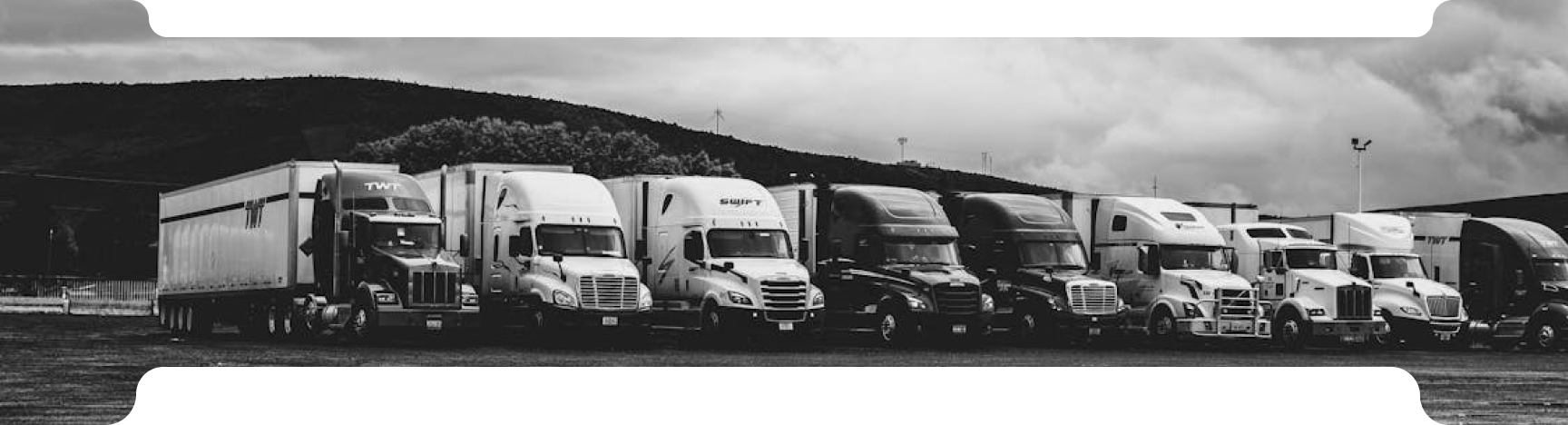
For heavy transport and logistics operations, we offer solutions that improve driver skills, fleet efficiency, and safety compliance.
Operators can train in advanced handling techniques, trailer maneuvering, fuel management, and cargo protocols. We also assist clients with vehicle monitoring systems, route optimization, and regulatory alignment for commercial fleets.
0.3
Public Transport Operations
City-based transport requires consistency, passenger safety, and route adherence.
We deliver tools that simulate real transit conditions and support operational readiness for buses, trams, and metro systems. Drivers and operators can train in crowd handling, schedule management, and emergency response, reducing the risks and costs of on-road training.
0.4
Emergency Response Driving
Emergency vehicle operators face complex, high-pressure environments.
Our training tools prepare drivers of ambulances, fire trucks, and police vehicles to navigate traffic safely, manage priority routes, and respond effectively under stress. These platforms are designed to improve decision-making, coordination, and safety during real-time incident response.